
-
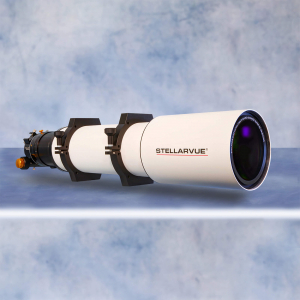
Stellarvue 5" Apo SVX127D $2495 (Save $500) -
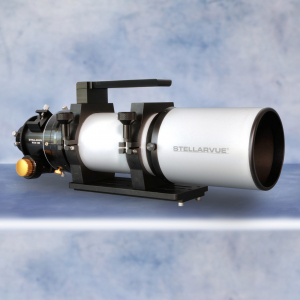
SVX090T $2495 -
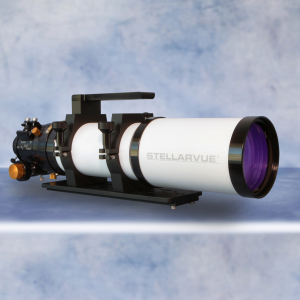
SVX102T $2995 (Save $100) -
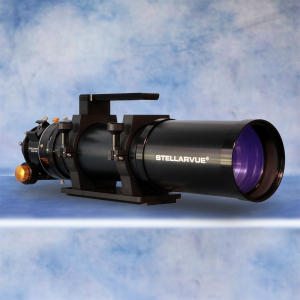
SVX102T-RA Raptor™ $3095 (Save $100) -
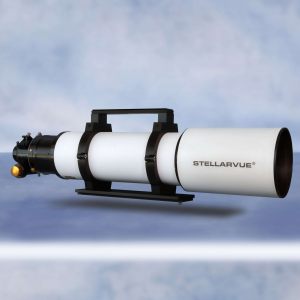
SVX130T $4995 (Save $1000) -
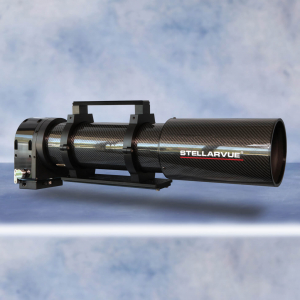
SVX130T-R Raptor™ $5195 (Save $1000) -
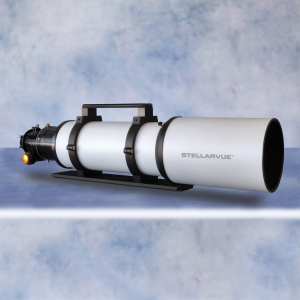
SVX140T $6195 (Save $1000) -
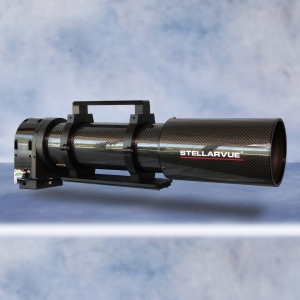
SVX140T-R Raptor™ $6395 (Save $1000) -
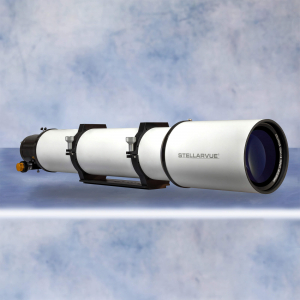
SVX152T $8995 (Save $1000) -
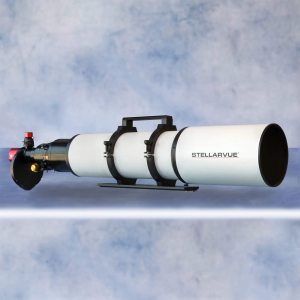
SVX180T-2 $21995.00 (Save $1000)
SVX180T - Trifid Nebula
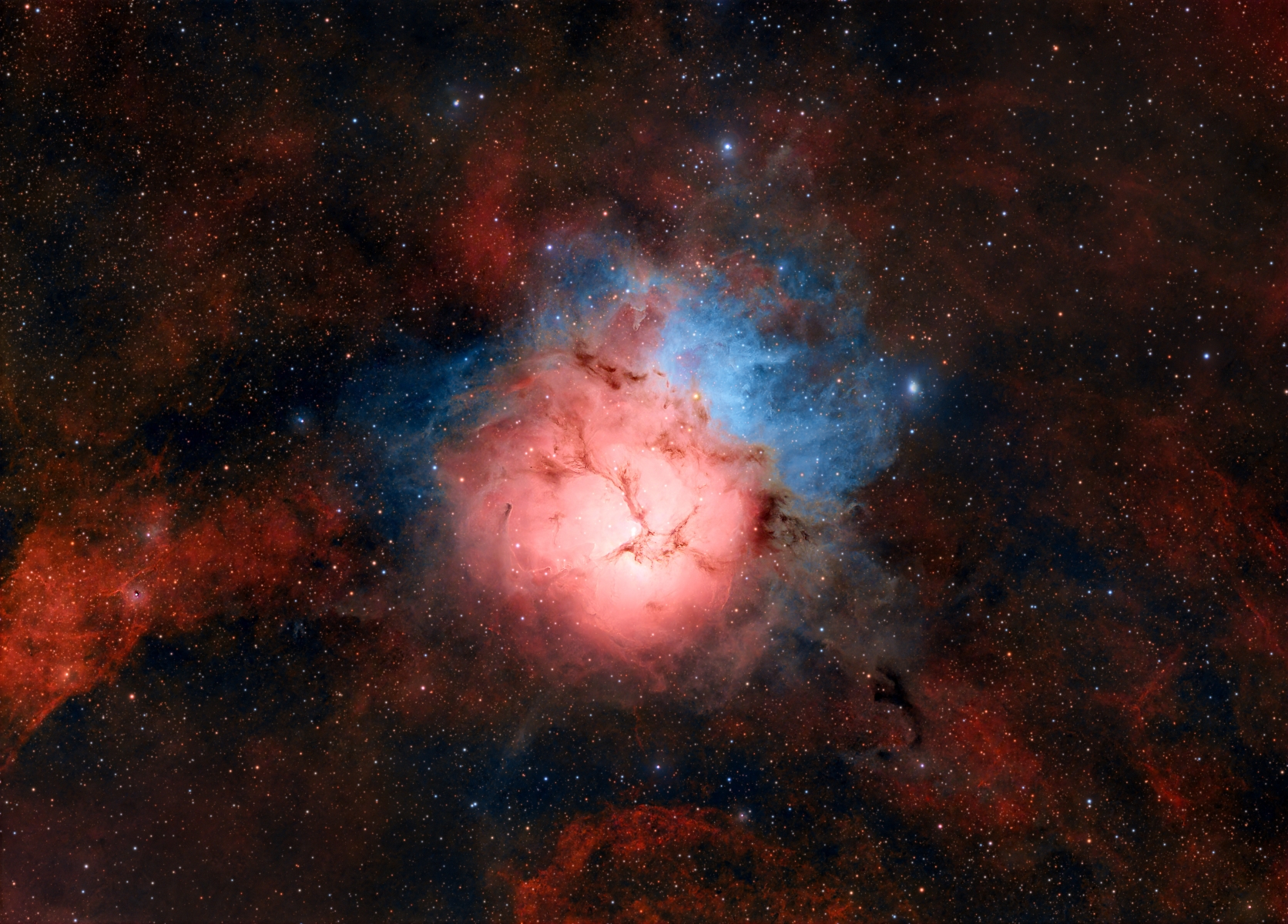
Mondo Gonzales captured this surreal shot of the Trifid Nebula (M20) in Sagittarius with his SVX180T. Located 4,100 light-years away from Earth, this object is part open star cluster, as well as part emission, reflection, and dark nebula. Most notably, the massive star HD 164492A was formed in this region. This O7.5III star has a mass more than 20 times that of the Sun. Also, surrounding this star is a cluster of approximately 3,100 young stars. In 2005, Nasa’s Spitzer Space Telescope discovered 30 embryonic stars and 120 newborn stars in this region that had not yet been seen in visible light images.
According to Mondo:
“The Trifid Nebula, also known as Messier 20, is a striking star-forming region located in the constellation Sagittarius about 5,000 light-years from Earth. It earned its name from the dark dust lanes that appear to divide the nebula into three distinct sections. The object uniquely combines a glowing red emission nebula, a blue reflection nebula, and dense dark nebulae in a single compact field. Discovered by Charles Messier in 1764, it remains one of the most photographed deep-sky objects in the summer Milky Way. Its bright, complex structure and mix of colors make it an especially rewarding target for both visual observers and astrophotographers.”
Other Designations: Messier 20, M20, NGC 6514, Sharpless 30, RCW 147, Gum 76
Details:
Scope: Stellarvue SVX180T
Focuser: 3.5” Feather Touch
Field Flattener: Stellarvue SFFX-2
Camera: ZWO ASI6200MC
Mount: Planewave L-350
Imaging Accessories: None
Filters:
- L-Ultimate
Integration Time: 12 hours exposure (144x300s)
Software:
- Pixinsight
- Photoshop
References:
Wikipedia contributors. (2026, April 23). Trifid nebula. Wikipedia. https://en.wikipedia.org/wiki/Trifid_Nebula


