
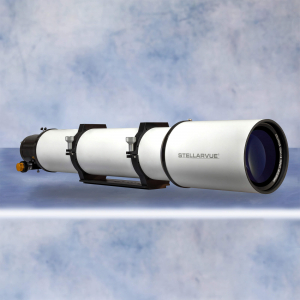
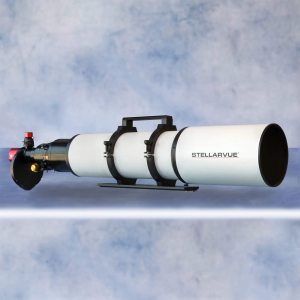
SVX140T - NGC 1333
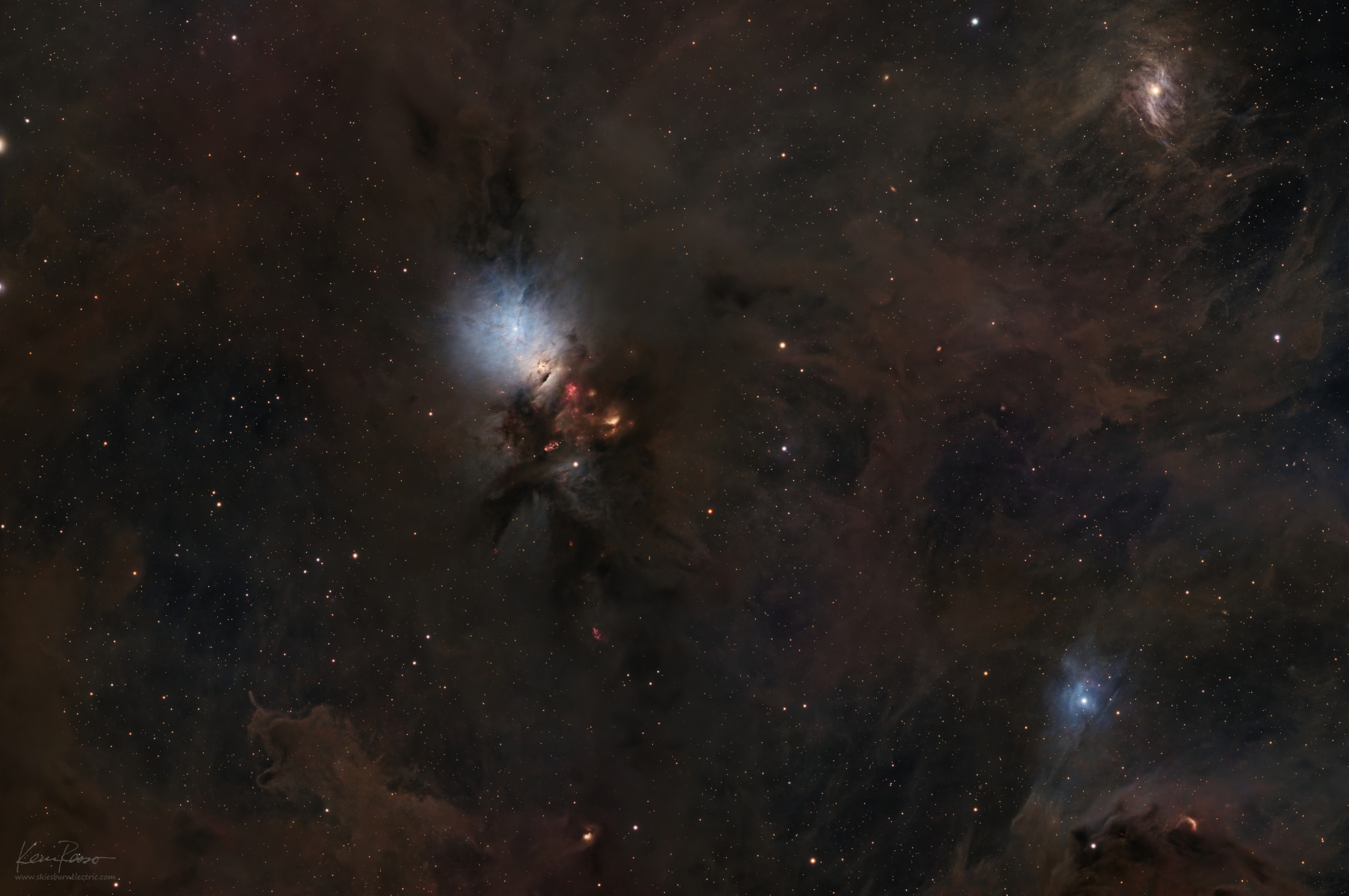

Kevin Rasso caught this striking shot of NGC 1333 in Perseus with his SVX140T. This reflection nebula is very active in star formation and contains approximately 450 solar masses. Contained within, are 20 young stellar objects producing outflows, including Herbig-Haro objects, which are bright patches of nebulosity associated with newborn stars. Also present are a total of 95 X-ray sources, associated with known members of embedded star clusters.
According to Kevin: “Out of Darkness” by Kevin Rasso
“NGC 1333 aka The Embryo Nebula captured from my backyard. I have been really appreciating the “dark” objects of late. There is something mysterious and intriguing happening here, darkness in the dark leviathan of space ironically bringing us light from the birth of new stars. Harboring several Herbig Haro objects from the Perseus Molecular Cloud, which are emitting energetic streams of material from newly born stars, in turn creates shockwaves that can be seen in the small red clumps of nebulosity. Truly a place of dark energy which is breathing light into the universe.”
Other Designations: NGC 1333, Ced 16, GN 03.26.1, LBN 741
Distance from Earth: 980–1,140 light-years
Details:
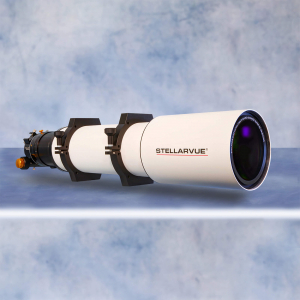
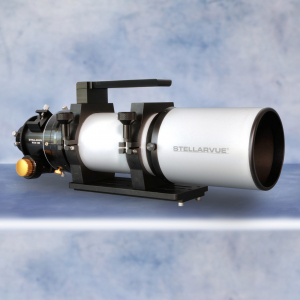
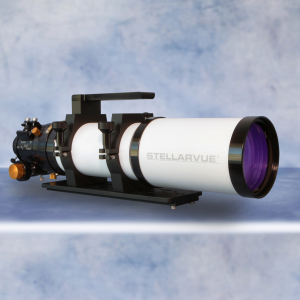
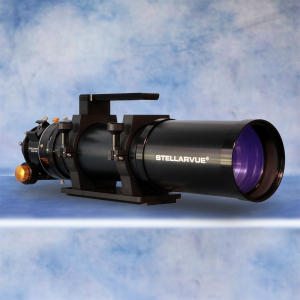
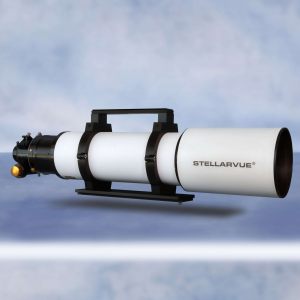
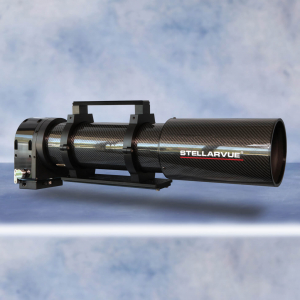
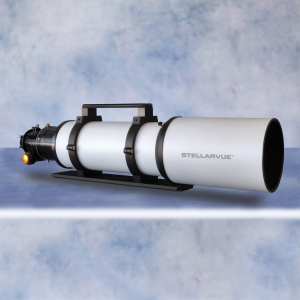
Telescope: Stellarvue SVX140T
Focal Reducer: SFFRX-130140
Camera: Player One Poseidon-M Pro
Mount: Pegasus Astro NYX-88 Harmonic Gear Mount
Filters:
- Chroma Blue 36 mm
- Chroma Green 36 mm
- Chroma Lum 36 mm
- Chroma Red 36 mm
Accessories:
- MeLE Quieter4 Mini PC
- Pegasus Astro Saddle Powerbox
- Player One FHD-OAG MAX
- Player One Phoenix Wheel 7x36mm
- Starlight Instruments
- LLC Handy Stepper Motor HSM35
Software:
- Pleiades Astrophoto PixInsight
- Russell Croman Astrophotography BlurXTerminator
- Russell Croman Astrophotography NoiseXTerminator
- Russell Croman Astrophotography StarXTerminator
- Stefan Berg Nighttime Imaging 'N' Astronomy (N.I.N.A. / NINA)
- Steffen Hirtle GraXpert
Published: Dec 16, 2025
Total integration: 9h 45m
Integration per filter:
- Lum/Clear: 3h 50m (46 × 300")
- R: 1h 55m (23 × 300")
- G: 2h (24 × 300")
- B: 2h (24 × 300")
*For more details and an in-depth look at this image, visit Kevin’s AstroBin.
References:
Wikipedia contributors. (2025, December 17). NGC 1333. Wikipedia. https://en.wikipedia.org/wiki/NGC_1333
AstroBin. (n.d.). AstroBin. https://app.astrobin.com/i/t94nc8
Wikipedia contributors. (2025a, March 15). Herbig–Haro object. Wikipedia. https://en.wikipedia.org/wiki/Herbig%E2%80%93Haro_object


