
-
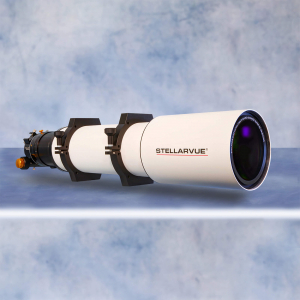
Stellarvue 5" Apo SVX127D $2495 (Save $500) -
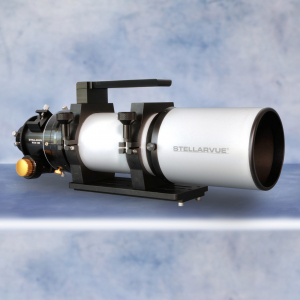
SVX090T $2495 -
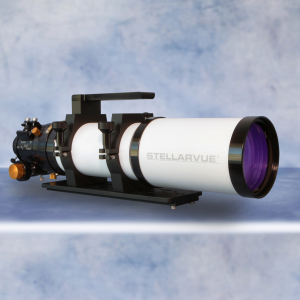
SVX102T $2995 (Save $100) -
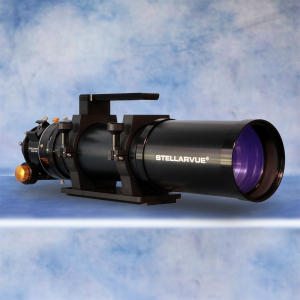
SVX102T-RA Raptor™ $3095 (Save $100) -
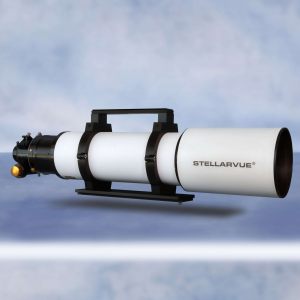
SVX130T $4995 (Save $1000) -
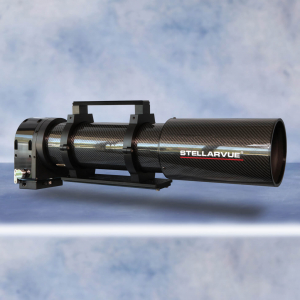
SVX130T-R Raptor™ $5195 (Save $1000) -
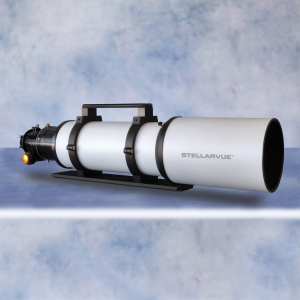
SVX140T $6195 (Save $1000) -
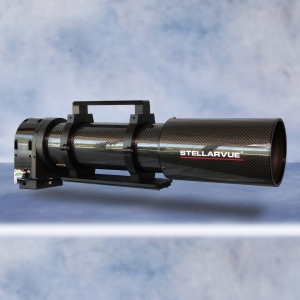
SVX140T-R Raptor™ $6395 (Save $1000) -
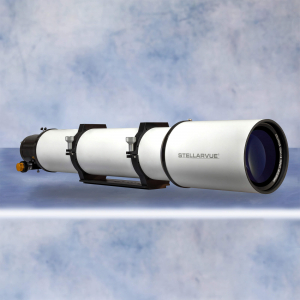
SVX152T $8995 (Save $1000) -
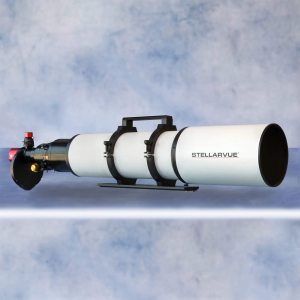
SVX180T-2 $21995.00 (Save $1000)
SVX102T Raptor - Melotte 15
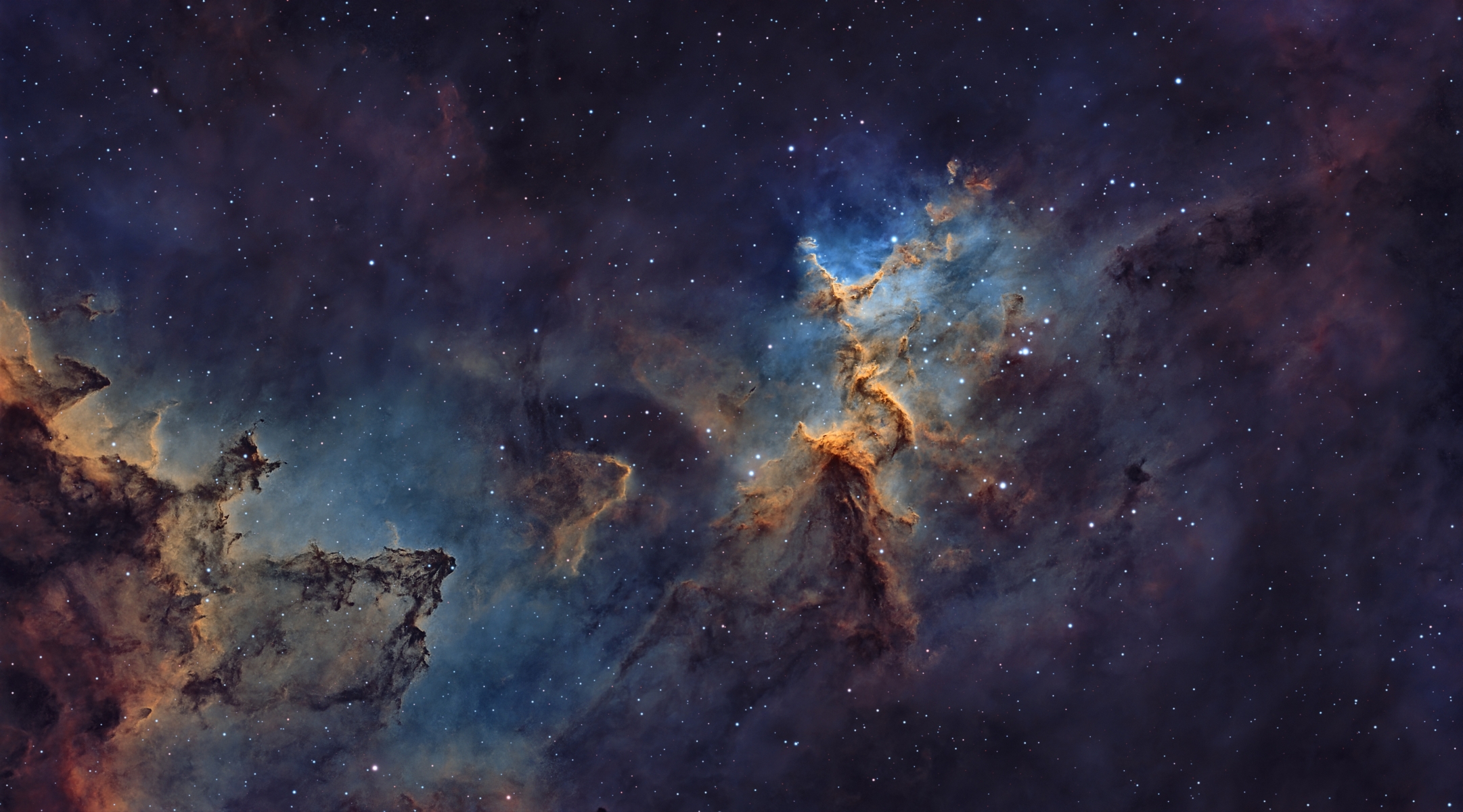
Mark Mruczek managed to capture this spectacular shot of Melotte 15 in Cassiopeia with his SVX102T Raptor. This open star cluster contains a few bright stars nearly 50 times the mass of the Sun, as well as many more dim stars that are only a fraction of the Solar mass. Located approximately 7,000 light-years away from Earth, this object was discovered by William Herschel in 1787.
According to Mark:
Meet Melotte 15: the beating heart inside the Heart Nebula!
by Mark Mruczek
“Deep in the constellation Cassiopeia lies a cosmic masterpiece called Melotte 15, right at the heart of the Heart Nebula. What you’re seeing are enormous clouds of gas and dust sculpted by powerful stellar winds from young, massive stars. These stars are basically cosmic “sculptors,” carving out intricate shapes while new stars are being born in the surrounding material. It’s like watching a galactic nursery in action, only on a scale so vast it makes our entire solar system look tiny.”
Other Designations: Collinder 26, Melotte 15, or IC 1805.
Details:
Total integration: 13h 8m
Integration per filter:
- Hα: 4h 36m (69 × 240")
- SII: 4h 36m (69 × 240")
- OIII: 3h 56m (59 × 240")
Telescope: Stellarvue SVX102T-R
Camera: ToupTek ATR585M (mono)
Mount: iOptron CEM40
Filters:
- Antlia 3nm Narrowband H-alpha 1.25",
- Antlia 3nm Narrowband Oxygen III 1.25",
- Antlia 3nm Narrowband Sulfur II 1.25"
Accessories:
- Pegasus Astro Powerbox Micro
- Stellarvue SFFX1
- ZWO EAF
Software:
- Bill Blanshan Narrowband Normalization PixelMath
- Pleiades Astrophoto PixInsight
- Russell Croman Astrophotography BlurXTerminator
- Russell Croman Astrophotography NoiseXTerminator
- Stefan Berg Nighttime Imaging 'N' Astronomy (N.I.N.A. / NINA)
*For more details and an in depth look at this image, visit Mark’s AstroBin.
References:
Wikipedia contributors. (2026, February 8). Heart Nebula. Wikipedia. https://en.wikipedia.org/wiki/Heart_Nebula
AstroBin. (n.d.). AstroBin. https://app.astrobin.com/i/7ccnzv
Cosgrove, P. A. (2026, February 9). Melotte 15 - The Heart of the Heart Nebula (IC 1805) - 5.5 hours of SHO — Cosgrove’s Cosmos. Cosgrove’s Cosmos. https://cosgrovescosmos.com/projects/melotte15


