
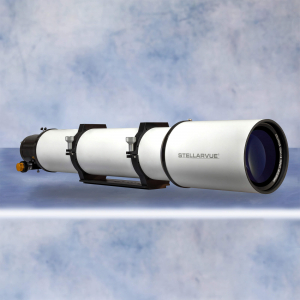
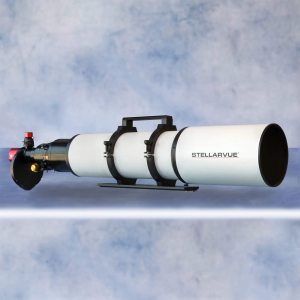
SVX130T - Ghost of Cassiopeia
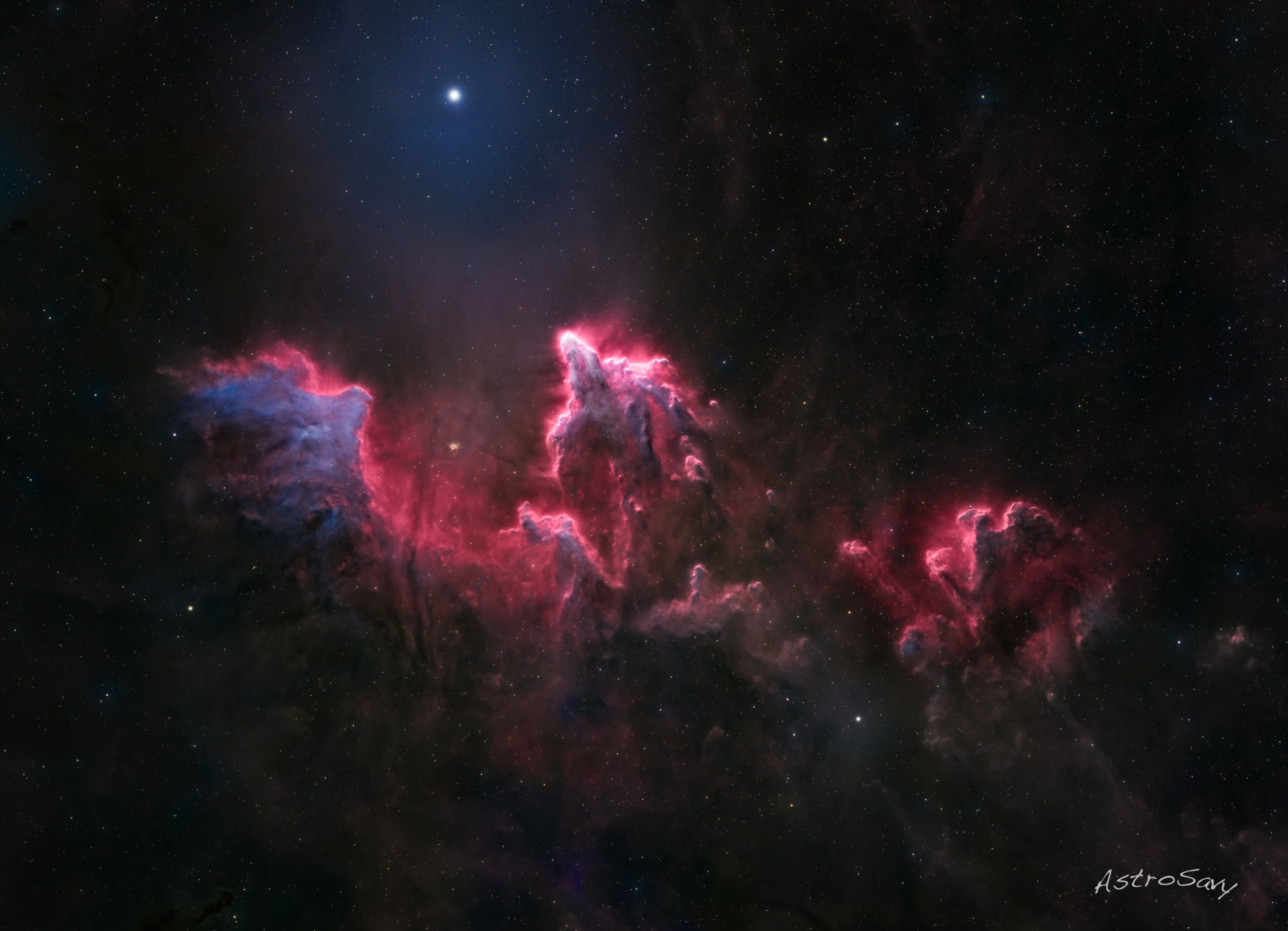
Mark Savan caught this staggering shot of the Ghost of Cassiopeia (IC 63) with his SVX130T. Located in the constellation Cassiopeia, this emission/reflection nebula sits approximately 550 light-years away from Earth and has a rough diameter of 1 light-year. Its glow is the result of hydrogen being bombarded with ultraviolet radiation from the nearby, blue-giant star Gamma Cassiopeia. This phenomenon is responsible for the nebula’s red glow, while the blue color is light reflected off of the nebula’s dust. Scientists hypothesize that this nebula will completely disperse within a half-million years.
Other Designations: IC 63, Ghost of Cassiopeia
Details:
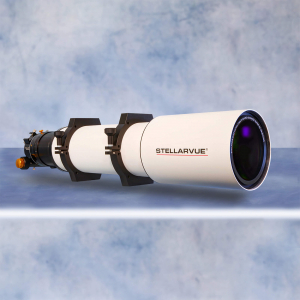
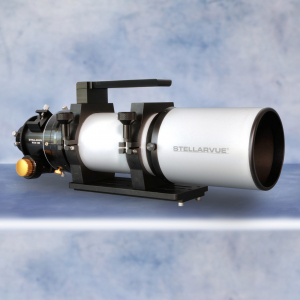
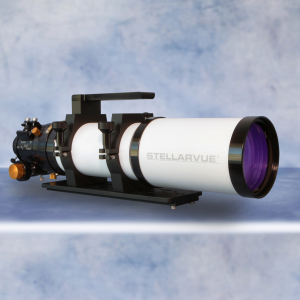
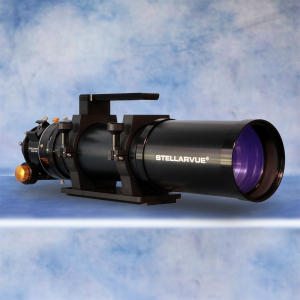
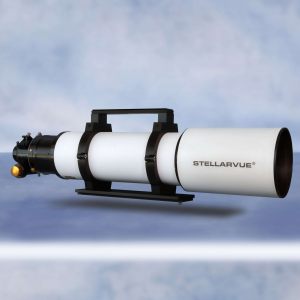
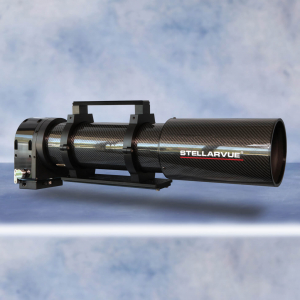
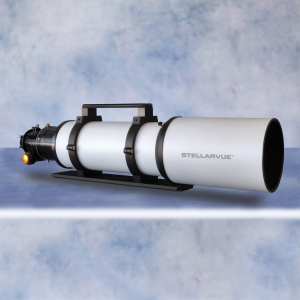
Telescope: Stellarvue SVX130T
Reducer: 0.72 reducer flattener - previous version
Camera: ASI2600MMPro
Mount: iOptrom CEM70G
Filters:
- Chroma Blue 36 mm
- Chroma Green 36 mm
- Chroma H-alpha 3nm Bandpass 36 mm
- Chroma Red 36 mm
Software:
- Adobe Photoshop
- Aries Productions Astro Pixel Processor (APP)
- Pleiades Astrophoto PixInsight
- Russell Croman Astrophotography BlurXTerminator
- Russell Croman Astrophotography NoiseXTerminator
- Russell Croman Astrophotography StarXTerminator
- SetiAstro Automatic DBE
- SetiAstro Find Background
- SetiAstro Star Stretch v2.1
- SetiAstro Statistical Stretch
- Stefan Berg Nighttime Imaging 'N' Astronomy (N.I.N.A. / NINA)
Location: Howling Coyote Remote Observatory, Pie Town, NM
Exposure time: approximately 18 hours
*For more details and an in-depth look at this image, visit Mark’s AstroBin.
References:
Espinoza, L. (2025, August 17). IC 63 Ghost Nebula - NASA Science. NASA Science. https://science.nasa.gov/asset/hubble/ic-63-ghost-nebula/
information@eso.org. (n.d.). The ghost of Cassiopeia. www.esahubble.org. https://esahubble.org/news/heic1818/
IC59 and IC 63 Description. (n.d.). https://www.menardastrophotography.com/IC59-IC63-ID_desc.html
Wikipedia contributors. (2025, September 15). SH 2-185. Wikipedia. https://en.wikipedia.org/wiki/Sh_2-185
AstroBin. (n.d.). AstroBin. https://app.astrobin.com/u/astrosavy#gallery


